Author: Mr.Chai

How EBOO can help to recover from virus infections

How EBOO Therapy May Support the Body During Viral Infections
Mr.Chai | May 9th, 2026


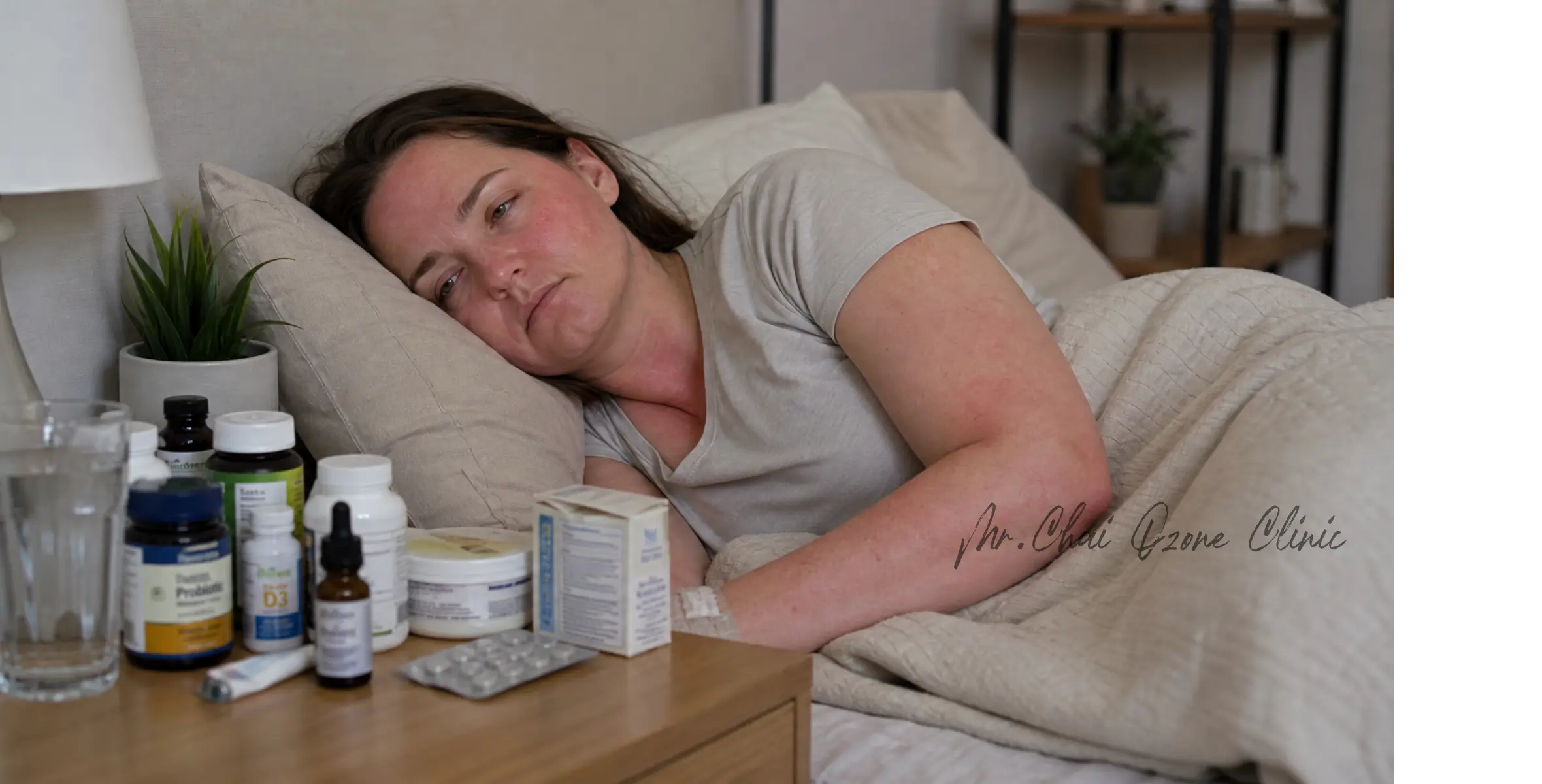
Feel like your body is still struggling after a viral infection?
Viral infections can place heavy stress on the immune system. When the body is fighting a virus, inflammation, oxidative stress, fatigue, poor oxygen delivery, and immune imbalance may occur. This is one reason Mr.Chai Ozone clinic use EBOO therapy, also known as Extracorporeal Blood Oxygenation and Ozonation, as a supportive therapy for selected patients.

How viral infections affect the body

When a virus enters the body, the immune system responds quickly. This response is necessary, but it can also create stress. Inflammation increases, immune cells become activated, oxidative stress rises, and tissues may require more oxygen and energy to repair.

For some people, the body resets quickly. For others, the inflammatory and oxidative burden continues even after the infection has passed. This is one reason viral infections can sometimes be followed by lingering symptoms such as tiredness, muscle aches, poor sleep, brain fog, and reduced physical performance.

Scientific reviews on ozone therapy in emerging viral diseases have focused on these exact pathways. A review published in Frontiers in Microbiology explains that ozone therapy has been studied as a therapeutic adjuvant in viral disease because of its potential effects on antioxidant, anti-inflammatory, and immunomodulatory pathways.

This is where EBOO becomes relevant. It is not positioned as a standalone antiviral cure. It is positioned as a supportive therapy that may help the body manage the biological stress caused by viral infections.

Does EBOO clean viruses from the body?

This is the most important point to explain correctly.

EBOO does not simply clean viruses out of the blood. It helps support the body systems that are responsible for managing viral stress, immune defense, oxygen delivery, inflammation, and recovery.

How EBOO may support recovery from viral infections

1. Supports oxygenation and cellular energy

Oxygen is essential for immune function, mitochondrial energy production, and tissue repair. During and after viral infections, the body may need greater oxygen efficiency to support healing and recovery.

EBOO exposes blood to a controlled oxygen ozone mixture through an extracorporeal circuit. Ozone therapy research describes interactions between ozone and blood components that may influence oxygen delivery, red blood cell metabolism, and cellular signaling. In Medical Gas Research, Bocci and colleagues describe how ozone reacts with blood substrates and produces biochemical messengers such as hydrogen peroxide and lipid oxidation products, which may influence cellular responses within a controlled therapeutic window.

By supporting oxygenation and cellular signaling, EBOO may help create a better biological environment for energy production and recovery.

2. Helps regulate inflammation

Inflammation is part of the immune response, but prolonged or excessive inflammation can delay recovery and contribute to fatigue, discomfort, and reduced vitality.

Medical oxygen ozone therapy has been studied for its potential role in inflammation regulation. The Frontiers in Microbiology review explains that ozone-related signaling may activate NRF2 pathways, influence NF-kB activity, and inhibit NLRP3 inflammasome signaling. These mechanisms are relevant because they are involved in inflammatory control and antioxidant defense.

For viral recovery, this means EBOO may help support a more balanced inflammatory response. This is particularly relevant for people who continue to feel physically depleted after infection.

3. Supports immune balance

A healthy immune system is not simply an overactive immune system. It needs balance. If the immune response is too weak, the body may struggle to control infection. If it becomes excessive, it may contribute to tissue stress and prolonged inflammation.

Ozone therapy has been reviewed for immunomodulatory activity, including effects on cytokine signaling, regulatory T lymphocytes, and oxidative signaling pathways. The same Frontiers in Microbiology review describes oxygen ozone therapy as having potential immunoregulatory effects in the context of emerging viral infections, including SARS-CoV-2.

EBOO may therefore be positioned as a therapy that supports immune regulation, rather than a treatment that simply “boosts” immunity. This is a more medically accurate and credible claim.

4. Supports antioxidant response and oxidative balance

Viral infections can increase oxidative stress, which occurs when reactive molecules exceed the body’s antioxidant capacity. This may contribute to inflammation, fatigue, cellular stress, and slower recovery.

Medical ozone therapy works through controlled oxidative stimulation. At appropriate doses, this may trigger adaptive responses through a process known as hormesis. The Frontiers in Microbiology review states that medical oxygen ozone therapy can trigger a cellular hormetic response through reactive oxygen species acting as signaling molecules, leading to activation of antioxidant and survival pathways such as NRF2/Keap1/ARE.

This mechanism is one reason EBOO is discussed as a therapy that may support oxidative balance. The goal is not to add uncontrolled oxidative stress, but to stimulate regulated biological responses under medical supervision.

5. Supports circulation and microcirculation

Efficient circulation is essential for immune defense and recovery. Blood carries oxygen, nutrients, immune cells, and metabolic waste products. When inflammation affects vascular function, recovery may become slower and less efficient.

EBOO has been studied in circulation-related conditions. The controlled trial on EBOO in peripheral artery disease was designed to evaluate whether EBOO could improve skin lesions typical of PAD patients. While this does not prove that EBOO treats viral infections, it supports the relevance of EBOO in blood flow, oxygenation, and vascular-related therapeutic research.

For people recovering from viral illness, supporting circulation and oxygen delivery may be relevant to improving overall recovery capacity.

6. Supports post-viral recovery

Many patients are not only concerned about the infection itself. They are also concerned about lingering symptoms after infection, including low energy, poor stamina, brain fog, inflammation, and reduced vitality.

Direct evidence for EBOO specifically in post-viral recovery remains limited. However, broader ozone therapy research has explored viral illness, especially COVID-19. A meta-analysis published in Frontiers in Medicine reviewed four randomized clinical trials and four case-control studies involving 371 COVID-19 patients. The analysis reported that ozone adjuvant therapy had significant effects on PCR test results, LDH serum levels, and mortality in the overall estimate, while also stating that more randomized controlled trials are needed.

This evidence supports EBOO as a scientifically plausible supportive therapy, but not as a standalone antiviral cure. The most responsible conclusion is that EBOO may support recovery by targeting oxygenation, immune balance, inflammation, circulation, and oxidative stress.

Why choose EBOO for viral recovery support?

Patients often choose EBOO because they want deeper recovery support than standard wellness infusions. EBOO works through an extracorporeal blood process designed to support oxygenation, circulation, immune balance, and inflammation regulation.

Potential supportive benefits may include:

  • Oxygenation support.
  • Circulation and microcirculation support.
  • Immune balance support.
  • Inflammation regulation.
  • Antioxidant pathway activation.
  • Recovery support after viral stress.
  • Support for post-viral fatigue.
  • Improved internal environment for cellular repair and vitality.

These benefits should be understood as supportive effects.

Conclusion

EBOO therapy is an advanced oxygen ozone treatment designed to support the body through blood oxygenation and ozonation. For people recovering from viral infections, it may help support key biological systems involved in healing, including oxygen delivery, immune regulation, inflammation balance, antioxidant response, and circulation.

Still feeling tired, inflamed, or low in energy after a viral infection?

At Mr. Chai Ozone Clinic, EBOO therapy is designed to support your body’s natural recovery system through advanced blood oxygenation and ozonation. Our medical team will assess your health condition, immune status, recovery goals, and treatment suitability before recommending a personalized care plan.

Book your consultation today to find out whether EBOO therapy is suitable for your immune health and recovery journey.

How to Cure Long COVID Symptoms. Understanding the Condition and Emerging Supportive Therapies

Mr.Chai | March 26th, 2026


Long COVID, clinically referred to as Post-Acute Sequelae of SARS-CoV-2 infection (PASC), describes a constellation of symptoms that persist weeks or months after the acute COVID-19 infection has resolved. For many individuals, recovery is not linear. Instead, symptoms fluctuate, relapse, or evolve over time.

Long COVID is increasingly recognized as a multisystem condition, involving immune dysregulation, chronic inflammation, vascular dysfunction, and impaired cellular recovery.


What Is Long COVID?

Long COVID is defined by symptoms that:

  • Persist beyond four weeks after infection
  • Cannot be explained by an alternative diagnosis
  • Affect physical, cognitive, or psychological function

It can occur after mild, moderate, or severe COVID-19, including cases that did not require hospitalization.


Common Long COVID Symptoms

Symptoms vary widely and may involve multiple organ systems simultaneously.

Fatigue and Post-Exertional Malaise

Persistent fatigue that worsens after physical or mental exertion is among the most reported symptoms.

Cognitive Dysfunction. “Brain Fog”

Difficulty concentrating, memory lapses, slowed thinking, and reduced mental clarity.

Respiratory Symptoms

Shortness of breath, chest tightness, and reduced exercise tolerance, even when imaging appears normal.

Cardiovascular and Autonomic Symptoms

Palpitations, dizziness, heart rate variability, and symptoms consistent with dysautonomia.

Musculoskeletal Pain

Muscle aches, joint pain, weakness, and reduced physical endurance.

Immune and Inflammatory Symptoms

Recurring flu-like sensations, low-grade fever, sore throat, and swollen lymph nodes.

Gastrointestinal Symptoms

GERD, nausea, diarrhea, abdominal discomfort, and appetite changes.


Why Long COVID Happens. What We Know So Far

While research is ongoing, several mechanisms are believed to contribute:

  • Persistent immune dysregulation and chronic inflammation
  • Microvascular and endothelial dysfunction affecting oxygen delivery
  • Autonomic nervous system imbalance
  • Residual tissue damage
  • Possible viral persistence or immune imprinting

As a result, Long COVID is increasingly viewed not as a lingering infection, but as a prolonged recovery failure at the cellular and immune level.


Where Regenerative and Adjunctive Therapies Fit In

There is currently no single cure for Long COVID. Management focuses on symptom control, pacing, and rehabilitation. However, emerging therapies are being explored to support immune rebalancing, oxygen utilization, and health rejuvenation.

These approaches are adjunctive, not replacements for standard medical care.


Extracorporeal Blood Oxygenation and Ozonation in Long COVID Recovery

What It Is

Extracorporeal blood oxygenation and ozonation involves withdrawing a controlled amount of blood, exposing it to a precise mixture of medical-grade oxygen and ozone, then reinfusing it under strict medical supervision.

This therapy aims to modulate biological responses, not directly treat infection.

Why It Is Being Explored for Long COVID

Support for Oxygen Utilization
Long COVID symptoms such as fatigue and breathlessness are often linked to impaired oxygen delivery and mitochondrial stress. Oxygenation therapies may support microcirculation and cellular oxygen use.

Inflammation Modulation
Controlled ozonation has been studied for its ability to activate antioxidant pathways and reduce chronic inflammatory signaling when applied within medical protocols.

Immune Rebalancing
Long COVID often reflects immune overactivation or exhaustion. Ozonation-based therapies are being explored for their role in restoring immune efficiency rather than suppressing immunity.

Cognitive and Neurological Support
By improving circulation and reducing inflammatory load, these therapies may indirectly support symptoms such as brain fog, although evidence remains preliminary.


NK Cell Therapy. Immune System Reset, Not Local Repair

Natural Killer (NK) cell therapy is a systemic immunotherapy, not a tissue-specific regenerative treatment.

NK cells circulate throughout the body, identifying and clearing:

  • Virus-infected cells
  • Senescent or damaged cells
  • Abnormally inflamed cells

In the context of Long COVID, NK cell therapy is being explored for:

  • Chronic inflammation control
  • Immune surveillance restoration
  • Reduction of immune exhaustion
  • Support for long-term immune resilience

NK cell therapy does not rebuild muscle or organs directly. Instead, it helps restore a biological environment where recovery becomes possible.


Exosome Therapy. Regenerative Signaling Across Systems

Exosome therapy acts as a communication-based regenerative approach.

Exosomes are biological messengers derived from stem cells that deliver signals to:

  • Reduce inflammation
  • Promote tissue repair
  • Support vascular and neural recovery

For Long COVID, exosomes are being explored for:

  • Multisystem recovery
  • Neurological and cognitive support
  • Muscle and joint regeneration
  • Immune modulation

Exosomes can function both locally and systemically, making them adaptable to the diverse symptom patterns seen in Long COVID.


How These Approaches Fit Together

Long COVID recovery is rarely one-dimensional.

  • Extracorporeal blood oxygenation and ozonation may support oxygen use, inflammation control, and immune balance
  • NK cell therapy addresses immune dysregulation and chronic inflammation system-wide
  • Exosome therapy delivers regenerative signals across multiple systems
  • Liver Flush therapy boosts overall liver health for better immunity.

Each approach targets a different layer of dysfunction, which is why multimodal strategies are increasingly discussed in clinical research.


Long COVID is a complex, multisystem condition driven by immune imbalance, inflammation, and impaired cellular recovery. While conventional management focuses on symptom control and rehabilitation, emerging regenerative and adjunctive therapies are being explored to support immune rebalancing, oxygen utilization, and tissue repair.

As research progresses, integrative approaches may help selected patients navigate recovery more effectively. Medical oversight and evidence-based decision-making remain essential.